
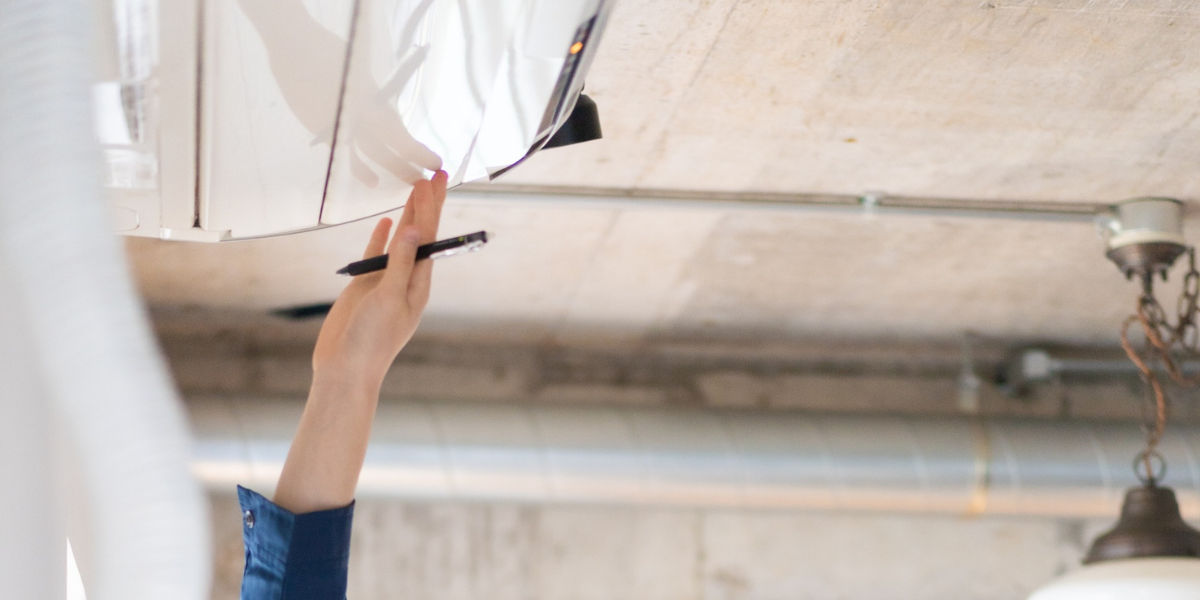
Professional Heating System Safety Inspections in San Jose
When temperatures dip in the South Bay, most homeowners are thinking about comfort first. They want warm bedrooms in the morning, steady airflow in the evening, and a heating system they do not have to second-guess. But comfort is only part of the story. The larger issue is safety. A heating system that seems to be working “well enough” can still have hidden problems developing behind the scenes, from venting issues and electrical wear to dirty burners and ignition problems that increase the risk of unsafe operation.
That is why professional heating system safety inspections in San Jose deserve far more attention than they usually get. For Bay Area homeowners, a proper inspection is not simply a maintenance visit. It is a preventive service designed to uncover hazards before they affect your household. It helps verify that key components are operating correctly, that combustion-related systems are venting properly, and that the equipment is not placing unnecessary strain on your home, your energy budget, or your peace of mind.
At FairPrice Heating & Cooling, safety is at the center of residential heating service. The company serves Bay Area homeowners with licensed and insured HVAC support, and its technicians perform rigorous checks on heating equipment to help prevent fire hazards and verify proper system venting. For families in San Jose, that kind of attention matters. An overlooked heating problem does not always announce itself with a total breakdown. Often, it starts quietly, through subtle warning signs that only a trained inspection can catch.
Why heating safety inspections matter so much in San Jose homes
San Jose homeowners live in a region with a mild climate compared to many parts of the country, but that can create a false sense of security around heating equipment. Because furnaces and heat pumps may not run as continuously as they do in colder regions, problems can go unnoticed for long stretches. A system may sit idle, then suddenly be expected to perform efficiently and safely the moment cold weather arrives.
That is a risky pattern. Dust buildup, worn wiring, blocked vents, loose electrical connections, and aging ignition components do not resolve themselves during the off-season. In fact, seasonal inactivity can make some issues harder to detect until the system is placed back under load. The result may be strange odors, inconsistent heating, short cycling, reduced airflow, or in more severe cases, overheating and safety shutdowns.
Government agencies have long emphasized the importance of heating safety in homes. The U.S. Consumer Product Safety Commission provides guidance on reducing household hazards, and the U.S. Department of Energy explains how proper maintenance supports safer and more efficient heating operation. For homeowners, the takeaway is simple: a heating system is not something to ignore until it stops working. It is a major mechanical system that should be inspected regularly, especially before peak use.
In San Jose, many homes also vary widely in age, layout, insulation levels, duct condition, and equipment type. Some properties have older gas furnaces. Others rely on newer electric systems or heat pumps. Many homeowners have completed partial upgrades over the years without addressing the entire heating system as a whole. That means safety inspections are not one-size-fits-all. They need to reflect the actual condition and setup of the equipment in the home.
What a professional heating system safety inspection typically checks
A true safety inspection goes deeper than a quick glance at the thermostat or a simple filter reminder. It is a structured evaluation of the heating system’s operating condition, safety controls, and supporting components. The goal is to identify conditions that could lead to unsafe performance, premature wear, or reduced reliability.
For gas heating systems, one of the most important priorities is making sure combustion-related components are working properly. Burners, ignition systems, heat exchangers, and venting pathways all need to be checked carefully. If the system is not burning fuel cleanly or venting exhaust as intended, the consequences can be serious. The Environmental Protection Agency offers homeowners useful information about indoor air and combustion-related concerns, which is especially relevant when heating systems are enclosed in attics, closets, garages, or utility spaces.
For electric heating systems and heat pumps, inspection priorities include electrical integrity, wiring condition, control function, blower operation, airflow performance, and overall system response. Even without combustion, these systems still require careful review. Electrical faults, overworked components, and airflow restrictions can still create safety issues and lead to avoidable equipment damage.
Here is a simple overview of what a heating safety inspection may include:
| Inspection Area | Why It Matters | Potential Risk if Ignored |
|---|---|---|
| Burner and ignition check | Confirms reliable and proper startup | Delayed ignition, incomplete combustion, unsafe operation |
| Venting inspection | Verifies exhaust is leaving the home properly | Backdrafting, moisture issues, unsafe fumes |
| Electrical connection review | Identifies loose or worn wiring | Short circuits, overheating, fire risk |
| Heat exchanger evaluation | Looks for damage or signs of wear | Unsafe system performance, system shutdown |
| Thermostat and controls test | Ensures the system cycles correctly | Inconsistent heating, overuse, comfort problems |
| Airflow and filter review | Supports safe and efficient performance | Overheating, strain on components, poor comfort |
| Blower and motor inspection | Confirms proper air movement | Reduced efficiency, breakdown risk, poor heating |
| Safety control testing | Verifies built-in protections are functioning | Equipment operating under unsafe conditions |
This is where working with a qualified professional makes all the difference. Homeowners can sometimes spot obvious red flags, but many of the most important safety concerns require trained diagnostics and hands-on testing.
The warning signs homeowners should never ignore
A heating system rarely goes from perfect to dangerous overnight. More often, it provides hints. The challenge is that many homeowners dismiss those hints because the heat still comes on. If the house eventually warms up, it is easy to assume everything is fine. But safety concerns often begin while the system is still technically operational.
A burning smell when the heater starts for the first time in the season may simply be dust burning off, but persistent odors deserve attention. Unusual noises such as rattling, banging, screeching, or popping can suggest loose parts, airflow problems, or mechanical wear. A system that turns on and off too frequently may be struggling with controls, airflow, or overheating protection. Rooms that heat unevenly may indicate duct, blower, or distribution issues.
The most concerning warning signs are the ones homeowners are tempted to rationalize away: an older furnace that seems less reliable each winter, a pilot or ignition issue that occasionally corrects itself, airflow that feels weaker than it used to, or utility costs that rise even though household habits have not changed. These are not just comfort problems. They can be signs that the heating system is operating under stress or falling out of safe working condition.
If you are already noticing any of these issues, it may be time to schedule heating repair or a full system evaluation through FairPrice Heating & Cooling. A professional can determine whether the problem is minor, maintenance-related, or something that needs prompt correction before the system is used more heavily.
Safety inspections are also about efficiency and system longevity
Homeowners often think of safety and efficiency as separate topics, but in heating systems they are closely connected. Equipment that is struggling to move air, ignite properly, maintain temperature, or vent as intended usually has to work harder than it should. That extra strain can raise energy use, reduce component life, and increase the chance of future breakdowns.
The U.S. Department of Energy consistently notes that maintenance plays a major role in heating performance. When a system is clean, properly adjusted, and operating with the correct airflow and controls, it can heat the home more effectively and with less wear. That means a professional safety inspection does more than reduce hazard exposure. It can also help homeowners avoid the expensive cycle of neglected equipment, mid-season repairs, and premature replacement.
This is especially relevant in San Jose, where homeowners often balance comfort needs with energy-conscious living. If your heating system has not been checked recently, your home may be spending more on winter comfort than necessary. In some cases, homeowners think they need a complete replacement when what they really need first is a detailed inspection, professional tune-up, and a clear explanation of the system’s current condition.
If the equipment is older or showing signs of decline, FairPrice Heating & Cooling can also help homeowners evaluate furnace installation and replacement options when repair is no longer the safest or most cost-effective path.
Why professional inspections are better than DIY checks
It is smart for homeowners to replace air filters regularly, pay attention to unusual smells or sounds, and keep vents unobstructed. Those are valuable habits. But they are not substitutes for a professional inspection. Heating equipment includes safety-sensitive components that need proper training and experience to evaluate.
A technician understands how to check combustion behavior, review electrical integrity, assess blower operation, inspect venting routes, and test system controls in a meaningful way. Just as importantly, a professional knows what normal looks like. Subtle wear patterns, small signs of heat stress, and early-stage failure symptoms are often invisible to the untrained eye.
There is also the issue of risk. Opening or probing certain heating components without the right knowledge can create safety concerns of its own. That is why agencies such as the Consumer Product Safety Commission encourage attention to household equipment safety and proper maintenance practices. When the system in question involves heat, gas, electricity, and air movement through your home, guessing is not a good strategy.
For Bay Area homeowners, the better approach is simple: stay alert to symptoms, then bring in a professional to inspect the system thoroughly.
What San Jose homeowners can expect from a trusted HVAC partner
A good heating safety inspection should leave you with more than a cleaned component or a checked box. It should leave you with clarity. You should know whether your heating system appears safe to operate, whether any immediate corrections are recommended, and what steps will help keep the equipment reliable for the season ahead.
That is one reason many homeowners prefer working with a local company that understands Bay Area homes and provides full-service HVAC support. FairPrice Heating & Cooling has served the Bay Area since 2012 and offers residential heating services backed by licensed, insured technicians, 24/7 emergency support, financing options, and a 100% satisfaction guarantee. For San Jose homeowners, that combination of responsiveness and technical care matters when safety is involved.
Because no two homes are exactly alike, the best inspections are tailored to the system in front of the technician. A newer heat pump in a remodeled home needs a different evaluation than an aging gas furnace in an older house with legacy ductwork. The purpose is not to force a predetermined outcome. It is to assess the actual system honestly and help the homeowner make a confident, informed decision.
When to schedule a heating safety inspection
The best time to schedule a heating safety inspection is before your system enters heavy seasonal use. Early fall is ideal, but the truth is that the second-best time is now. If your heating equipment has not been professionally inspected in the last year, or if you are already noticing performance changes, there is real value in addressing the issue before it becomes urgent.
This is particularly important if your system is older, if you recently moved into a home and do not know the maintenance history, or if you have completed renovations that may have affected airflow, insulation, or duct performance. Even something as simple as new windows, a sealed attic, or altered room usage can change how a heating system behaves.
Homeowners with families, older adults, or anyone especially concerned about indoor comfort and reliability should treat annual inspection as a core home care practice rather than an optional add-on. A professional visit can provide reassurance before winter temperatures set in, and in many cases it can prevent emergency calls later.
If your home also needs broader seasonal support, it may be worth exploring HVAC maintenance services through FairPrice Heating & Cooling so that safety, performance, and comfort are addressed together.
The real value of peace of mind
There is something uniquely stressful about not trusting the system that heats your home. You hear a sound you cannot explain. You notice a smell you hope is temporary. You wonder whether the unit is running longer than it should. Even if the house still feels warm, uncertainty settles in.
That is why safety inspections matter beyond the technical findings. They give homeowners peace of mind grounded in evidence. Instead of guessing, you get a professional assessment. Instead of waiting for a breakdown, you get a chance to act early. Instead of assuming the system is fine because it still turns on, you get a clearer picture of whether it is operating as safely and efficiently as it should.
For homeowners in San Jose, that peace of mind is worth protecting. A heating system is not just a convenience during colder weather. It is part of the environment your family lives in every day. Making sure it is safe is one of the most practical and responsible steps you can take as a homeowner.
Schedule a heating safety inspection with FairPrice Heating & Cooling
If you want confidence that your home’s heating system is operating safely, now is the right time to act. FairPrice Heating & Cooling provides professional heating system safety inspections for Bay Area homeowners and performs rigorous checks designed to reduce fire hazards and confirm proper venting.
Whether your furnace is aging, your heating system is showing warning signs, or you simply want a professional inspection before colder weather arrives, contact FairPrice Heating & Cooling for trusted local service. Homeowners in San Jose can call (408) 608-8246 to schedule an inspection and take a proactive step toward safer, more reliable home comfort.
FAQ
What is included in a heating system safety inspection?
A heating system safety inspection typically includes a review of key components such as burners, ignition systems, electrical connections, airflow, venting, and safety controls. The purpose is to identify issues that could affect safe operation, reliability, or heating performance. A professional technician can also point out early wear before it becomes a more serious repair.
How often should San Jose homeowners schedule a heating safety inspection?
Most homeowners should schedule a heating inspection once a year, ideally before colder weather begins. Annual service helps catch hidden issues that may not be obvious during daily use. Even in San Jose’s milder climate, heating systems should be checked regularly because seasonal inactivity can hide developing problems.
Can a heating inspection help prevent fires?
It can help reduce the risk by identifying overheating components, loose electrical connections, blocked airflow, or other unsafe conditions. While no inspection can eliminate every possible risk, routine professional service is an important preventive measure. That is especially true for older systems or equipment that has not been maintained consistently.
Is a heating safety inspection the same as a repair appointment?
Not exactly, although an inspection may uncover a repair need. A safety inspection focuses on evaluating whether the system is operating properly and whether there are hazards or warning signs present. If a problem is found, the technician can then recommend the appropriate repair or next step.
What if my heating system seems to be working fine?
That is often when inspections are most valuable. Many heating problems begin quietly, without causing an immediate loss of heat. A system can still warm the home while developing venting, electrical, or airflow issues that deserve professional attention.
Are older furnaces more likely to need safety inspections?
Yes, older systems generally have more wear and are more likely to develop component issues over time. Age alone does not always mean a system is unsafe, but it does increase the importance of regular professional evaluation. If your furnace is older and has not been inspected recently, scheduling service is a smart precaution.
When should I call FairPrice Heating & Cooling?
You should call if your heating system has not been inspected in the last year, if you notice unusual smells or noises, or if the unit is heating unevenly or less effectively than before. It is also a good idea to schedule before the winter season starts. FairPrice Heating & Cooling can help San Jose homeowners assess the system’s condition and recommend the right path forward.