
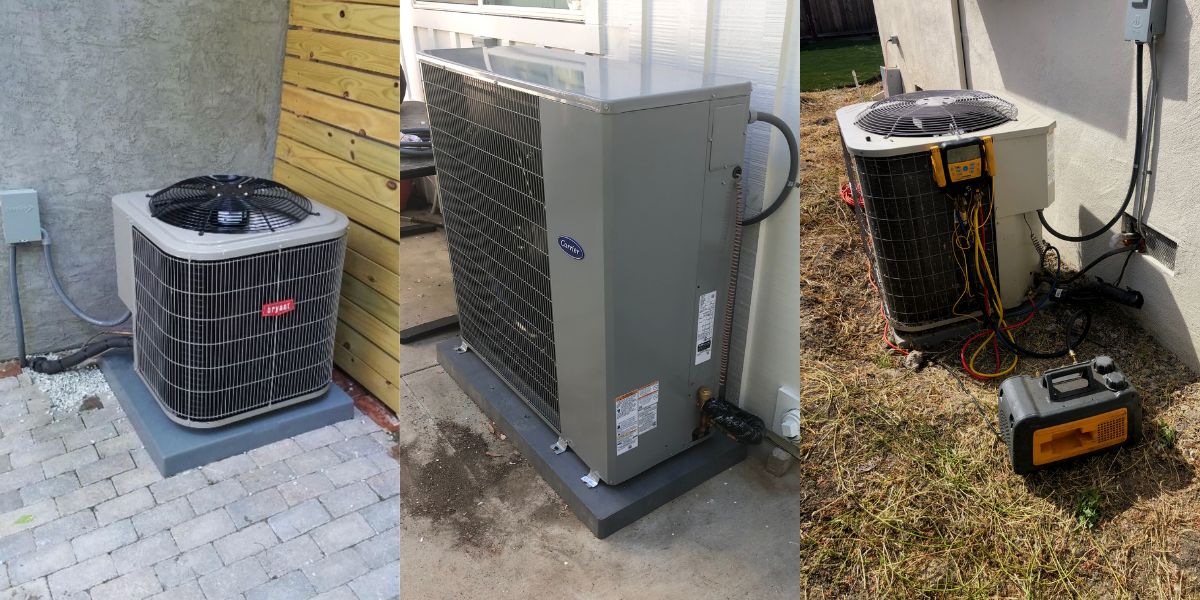
Preparing Your Saratoga Home for Summer: Professional AC Tuning
The Heat Is Coming — Is Your AC Ready?
Picture this: it’s the first scorching day of summer in Saratoga. You walk inside, reach for the thermostat, and… nothing. Warm air. A system that’s struggling. A repair call that could have been avoided entirely.
It happens more than you’d think. According to the U.S. Department of Energy, air conditioners that aren’t properly maintained can lose up to 5% of their efficiency every year. Over time, that adds up to higher energy bills, more frequent breakdowns, and a system that simply can’t keep up when temperatures spike.
The good news? A professional AC tune-up before summer hits is one of the most effective ways to avoid all of that. If you’re a Saratoga homeowner, now is the time to act — before the heat does.
Why Saratoga Summers Demand a Reliable AC System
Saratoga sits in the heart of Santa Clara County, where summer temperatures regularly climb into the 90s and beyond. Unlike coastal areas that benefit from ocean breezes, Saratoga’s inland location means heat can linger well into the evening. For families with young children, elderly relatives, or anyone with respiratory sensitivities, a functioning air conditioner isn’t a luxury — it’s a necessity.
The challenge is that most homeowners don’t think about their AC until it stops working. By then, HVAC companies are flooded with emergency calls, wait times stretch out, and repair costs climb. Scheduling a professional AC maintenance visit in the spring — before the rush — puts you ahead of the curve.
What a Professional AC Tune-Up Actually Includes
A lot of homeowners assume an AC tune-up is just a quick filter swap. In reality, a thorough professional service covers a comprehensive checklist that touches every critical component of your cooling system.
Refrigerant Level Inspection and Recharge
Refrigerant is the lifeblood of your air conditioning system. It’s the substance that absorbs heat from inside your home and releases it outside. When refrigerant levels are low — often due to a slow leak — your system has to work harder to cool the same space. The result is reduced efficiency, longer run times, and eventually, a compressor that burns out prematurely.
During a professional tune-up, technicians check refrigerant levels and inspect for leaks. If levels are low, they recharge the system to manufacturer specifications. This single step can dramatically improve cooling performance and reduce energy consumption.
Electrical Component Testing
Your AC system relies on a network of electrical components — capacitors, contactors, relays, and wiring — that all need to be in good working order. A failing capacitor, for example, is one of the most common causes of AC breakdowns in summer. It’s also one of the cheapest fixes when caught early, but if it fails mid-season, it can take the entire compressor down with it.
A trained technician will test voltage and amperage on all electrical components, tighten loose connections, and replace any parts showing signs of wear before they become a problem.
Coil Cleaning: Evaporator and Condenser
Your AC has two sets of coils — the evaporator coil inside your home and the condenser coil in the outdoor unit. Both accumulate dirt and debris over time, which acts as insulation and prevents proper heat transfer. Dirty coils force your system to run longer cycles, consuming more energy and generating more wear.
Cleaning both sets of coils during a tune-up restores heat exchange efficiency and helps your system reach your desired temperature faster.
Air Filter Replacement
A clogged air filter restricts airflow, which reduces cooling capacity and puts strain on the blower motor. It also allows dust and allergens to circulate through your home. Replacing the filter is a simple step, but it’s one that many homeowners overlook between service visits.
Thermostat Calibration
If your thermostat isn’t reading temperatures accurately, your AC may be cycling on and off at the wrong times — or running longer than necessary. Technicians will verify that your thermostat is calibrated correctly and, if you’re still using an older model, may recommend upgrading to a smart thermostat for better energy management and remote control.
Blower Motor and Belt Inspection
The blower motor is responsible for circulating cooled air throughout your home. Worn belts, dirty blower wheels, or a motor running outside its normal amperage range can all reduce airflow and efficiency. A tune-up includes inspecting and lubricating moving parts to keep everything running smoothly.
Condensate Drain Cleaning
Your AC removes humidity from the air as it cools, and that moisture drains through a condensate line. When that line gets clogged with algae or debris, water can back up and cause water damage — or trigger a safety shutoff that stops your system entirely. Clearing the drain line is a quick but important part of any complete tune-up.
The Real Cost of Skipping Annual Maintenance
Some homeowners skip the annual tune-up to save money. It’s understandable — but it’s a false economy.
Consider the numbers: a professional AC tune-up typically costs between $75 and $150. A refrigerant recharge, if needed, adds to that. But compare that to the cost of a compressor replacement, which can run $1,500 to $2,500 or more. Or a full AC installation if the system fails entirely — often $4,000 to $8,000 depending on the unit and home size.
Beyond repair costs, an unmaintained system runs less efficiently. The ENERGY STAR program estimates that proper maintenance can keep an AC system running at peak efficiency, potentially saving 10–15% on cooling costs annually. Over a decade, that’s real money.
There’s also the comfort factor. A system that hasn’t been serviced may technically run, but it won’t cool as effectively. You’ll notice hot spots, humidity that doesn’t drop, and a home that never quite reaches the temperature you set.
How Often Should You Schedule AC Maintenance?
The standard recommendation from HVAC manufacturers and industry organizations like ACCA (Air Conditioning Contractors of America) is once per year, ideally in the spring before cooling season begins. If your system is older than 10 years, or if you run it heavily during Saratoga’s long warm season, twice-yearly service may be worth considering.
Homeowners who have recently had air duct cleaning or duct repairs done will also benefit from pairing that service with an AC tune-up, since clean, sealed ductwork allows your system to distribute conditioned air far more efficiently.
Signs Your AC Needs Attention Before Summer
Even if you’re not due for a scheduled tune-up, certain warning signs mean you shouldn’t wait:
- Warm or weak airflow from vents even when the system is running
- Unusual noises — grinding, squealing, or banging — during operation
- Higher-than-normal energy bills without a change in usage habits
- Frequent cycling — the system turns on and off more than usual
- Excess humidity indoors even when the AC is running
- Ice forming on the refrigerant lines or evaporator coil
- Musty or burning smells coming from vents
Any of these symptoms warrants a call to a licensed HVAC technician. Catching a problem early almost always means a simpler, less expensive fix. If your system is showing multiple signs of trouble, it may also be worth discussing whether AC repair or a full replacement makes more financial sense given the system’s age and condition.
DIY vs. Professional AC Maintenance: Know the Difference
There are a few things you can and should do yourself between professional visits:
- Replace or clean air filters every 1–3 months
- Keep the outdoor unit clear of leaves, grass clippings, and debris
- Check that vents are open and unobstructed throughout the home
- Monitor your thermostat for unusual readings
But the deeper work — refrigerant handling, electrical testing, coil cleaning, and component inspection — requires licensed technicians with the right tools and certifications. Refrigerant, for example, is regulated under EPA Section 608, and only certified technicians are legally permitted to handle it. Attempting DIY refrigerant work isn’t just ineffective; it’s illegal and potentially dangerous.
What to Expect When You Schedule a Tune-Up with FairPrice
FairPrice Heating & Cooling has been serving the Bay Area since 2012, and the team knows what Saratoga homes need to stay comfortable through a long, warm summer. Every tune-up is performed by licensed, insured technicians who follow a thorough inspection checklist — not a rushed, checkbox-only visit.
The process is straightforward: schedule a convenient appointment, a technician arrives on time, performs a complete inspection and service, and walks you through any findings before leaving. There are no surprise charges, no pressure to buy services you don’t need, and a 100% satisfaction guarantee backing every visit.
FairPrice also offers financing options for homeowners who need repairs or equipment upgrades, and current coupons are available to help reduce the cost of service.
Don’t Wait for the First Heatwave
Summer in Saratoga doesn’t ease in gently. When the heat arrives, it arrives fast — and the last thing you want is to be scrambling for emergency HVAC service when every technician in the area is already booked solid.
Scheduling your professional AC tune-up now means you’ll head into summer with a system that’s been inspected, cleaned, and optimized for peak performance. You’ll stay cooler, spend less on energy, and avoid the stress and expense of a mid-summer breakdown.
Saratoga homeowners — FairPrice Heating & Cooling is ready to help you get ahead of the heat. Our licensed technicians serve the Saratoga area and the broader Bay Area service region, and we’re available 24/7 for your convenience. Visit our AC maintenance page or contact us today to schedule your pre-summer tune-up — before the heatwave makes the decision for you.
Frequently Asked Questions
Q1: What is an AC tune-up and what does it include?
An AC tune-up is a professional inspection and maintenance service designed to keep your air conditioning system running at peak efficiency. A licensed technician will check refrigerant levels, test electrical components, clean the evaporator and condenser coils, inspect the blower motor, clear the condensate drain, and replace the air filter. The goal is to catch small issues before they become costly breakdowns and to ensure your system is ready to handle the demands of summer.
Q2: How often should I get my AC serviced in Saratoga?
Most HVAC manufacturers and industry professionals recommend scheduling AC maintenance once per year, ideally in the spring before cooling season begins. In Saratoga, where summers can be long and temperatures regularly reach the 90s, annual service is especially important to maintain efficiency and reliability. Homeowners with older systems or those who run their AC heavily may benefit from scheduling service twice a year.
Q3: Can low refrigerant damage my air conditioner?
Yes — running your AC with low refrigerant puts significant strain on the compressor, which is the most expensive component in the system. When refrigerant levels are insufficient, the compressor has to work harder and longer to achieve the same cooling effect, which accelerates wear and can lead to premature failure. A professional tune-up includes checking refrigerant levels and recharging the system if needed, which protects the compressor and restores cooling efficiency.
Q4: Why is my AC running but not cooling my home effectively?
There are several common reasons an AC system may run without cooling properly, including low refrigerant, dirty coils, a clogged air filter, a failing capacitor, or ductwork leaks. Each of these issues reduces the system’s ability to transfer heat efficiently, leaving your home warmer than it should be. A professional inspection can quickly identify the root cause and get your system back to performing the way it should.
Q5: Is it worth repairing an older AC unit, or should I replace it?
The general rule of thumb is to consider replacement if the repair cost exceeds 50% of the value of a new system, or if the unit is more than 10–15 years old and experiencing repeated issues. Older systems also tend to use R-22 refrigerant, which is no longer manufactured and has become very expensive to source. A licensed HVAC technician can evaluate your system’s condition and help you weigh the cost of repair versus the long-term savings of a more energy-efficient replacement.
Q6: How does a dirty air filter affect my AC’s performance?
A dirty or clogged air filter restricts the airflow that your AC system needs to function properly, forcing the blower motor to work harder and reducing the amount of cooled air that reaches your living spaces. Over time, restricted airflow can cause the evaporator coil to freeze, which can shut the system down entirely and potentially damage internal components. Replacing your filter every one to three months — or more frequently if you have pets or allergies — is one of the simplest and most impactful things you can do to maintain your system between professional visits.
Q7: What’s the difference between AC maintenance and AC repair?
AC maintenance is a proactive, scheduled service performed on a functioning system to keep it running efficiently and catch potential issues early — think of it like an annual physical for your air conditioner. AC repair, on the other hand, is a reactive service performed when something has already gone wrong, such as a failed capacitor, a refrigerant leak, or a broken blower motor. Regular maintenance significantly reduces the likelihood of needing emergency repairs, and when issues are found during a tune-up, they can typically be addressed at a lower cost than a mid-season breakdown.